
Blog
Key Takeaways from NRF Rev 2026: Where Reverse Logistics Is Headed
Key Takeaways from NRF Rev 2026: Where Reverse Logistics Is Headed
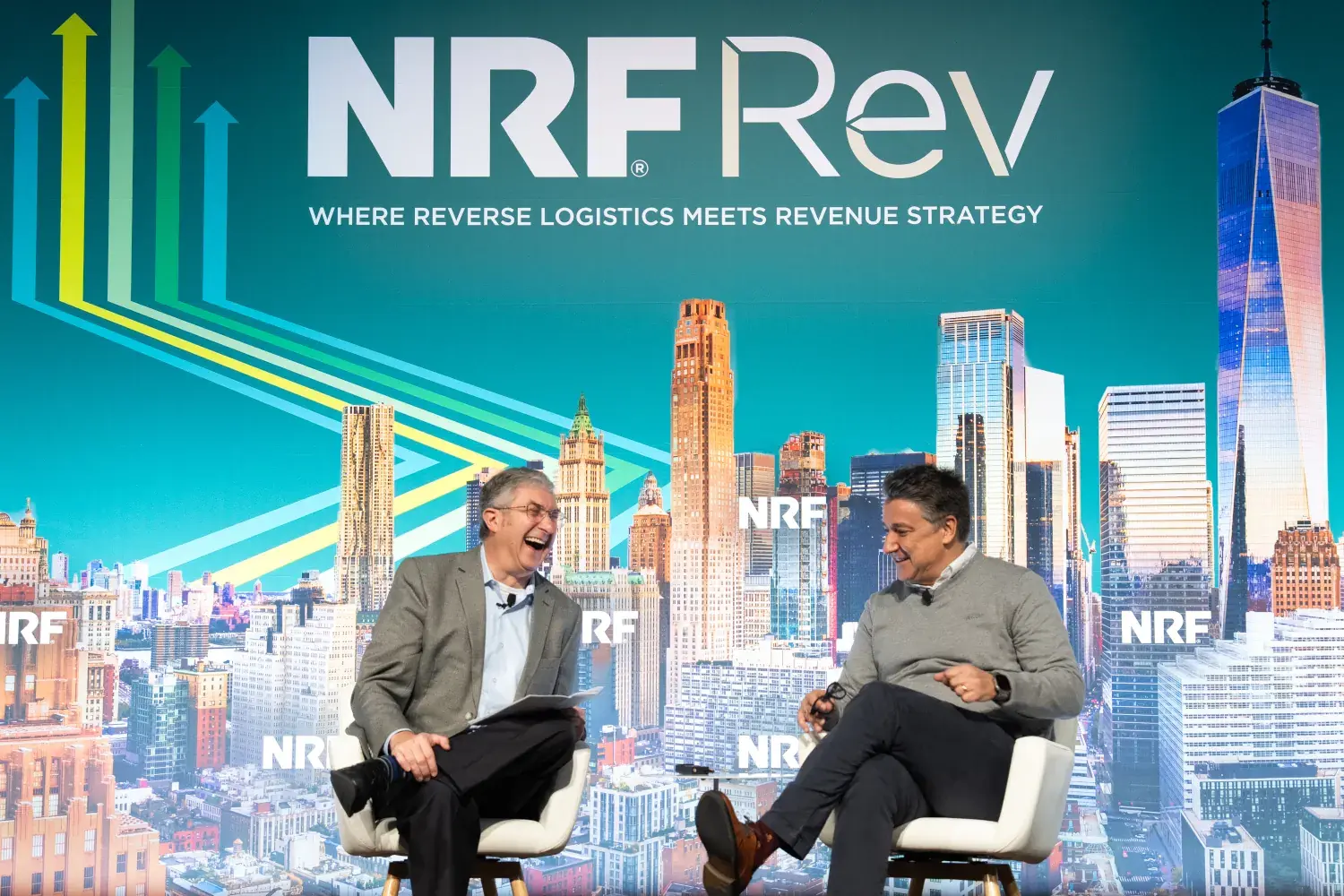
I recently attended NRF Rev for the first time, a conference focused specifically on reverse logistics,
returns, and recovery. The conversations at NRF Rev were grounded in execution, how organizations are rethinking returns, end-of-life (EOL) strategies, compliance, and
customer experience in a rapidly changing environment.
While much of the discussion was U.S.-centric, the insights and best practices shared have direct relevance for the Canadian market, where many of these approaches are still emerging.
1. Maximizing the Value of Returns and End-of-Life Inventory
One of the strongest themes throughout NRF Rev was the shift away from viewing returns and EOL inventory as a pure cost center. Leading organizations are increasingly focused on value recovery, determining what can be repaired, refurbished, redeployed, or resold before defaulting to liquidation or recycling.
This requires faster triage, better data, and tighter alignment between operations and downstream channels. The message was clear: recovery outcomes are largely determined by decisions made early in
the reverse logistics process.
2. Navigating EPR and Regulatory Complexity
Extended Producer Responsibility (EPR) was another major topic, particularly as regulations continue to evolve and expand. Companies are feeling pressure not only to comply, but to do so efficiently and
transparently.
Discussions emphasized the importance of tracking, reporting, and auditable processes, especially for EOL handling, rather than treating compliance as an afterthought. As regulatory frameworks mature, operational discipline will increasingly differentiate leaders from laggards.
3. Returns as a Driver of Loyalty and Retention
A notable shift in perspective was how returns are being reframed as a customer experience opportunity. Several sessions highlighted that a well-managed returns process can directly influence repeat purchases, brand trust, and long-term loyalty.
Speed, clarity, and consistency matter. Organizations that integrate reverse logistics into the broader customer journey, rather than isolating it operationally, are seeing tangible benefits beyond cost reduction.
4. The Growing Role of AI in Returns Processing
AI-enabled tools featured prominently in discussions around returns reduction and processing efficiency. Use cases ranged from improved return reason classification and fraud detection to smarter routing and
decision-making during triage.
While adoption levels vary, the direction is clear: automation and AI are becoming essential to managing returns at scale without sacrificing speed or recovery value.
5. Bringing These Best Practices to the Canadian Market
Although Canada was not a primary focus at NRF Rev, many of the best practices discussed, integrated recovery strategies, disciplined EOL handling, regulatory readiness, and customer-centric returns, are highly applicable north of the border.
At Microland, these insights reinforce our focus on execution-first reverse logistics and our commitment to applying proven approaches from the U.S. market to help Canadian programs maximize recovery, remain compliant, and improve overall outcomes.
Closing Thoughts
NRF Rev underscored how quickly reverse logistics is evolving, from a necessary cost to a strategic capability. Organizations that invest in smarter recovery, regulatory readiness, and customer experience will be best positioned as returns volumes and expectations continue to rise.
The conversations at NRF Rev were valuable, and we look forward to continuing them while applying these lessons in practical, measurable ways for the Canadian market.
Are you looking to establish a respected service presence in Canada? Contact Us for more info