Rugged device & industrial repair in Canada: built to survive the field, repaired to stay in it.
Rugged devices and industrial equipment are bought to last a decade, not a refresh cycle. We keep them in service: depot repair and advance exchange for rugged fleets, and component-level repair of the control boards and modules that are punishing to replace whole.
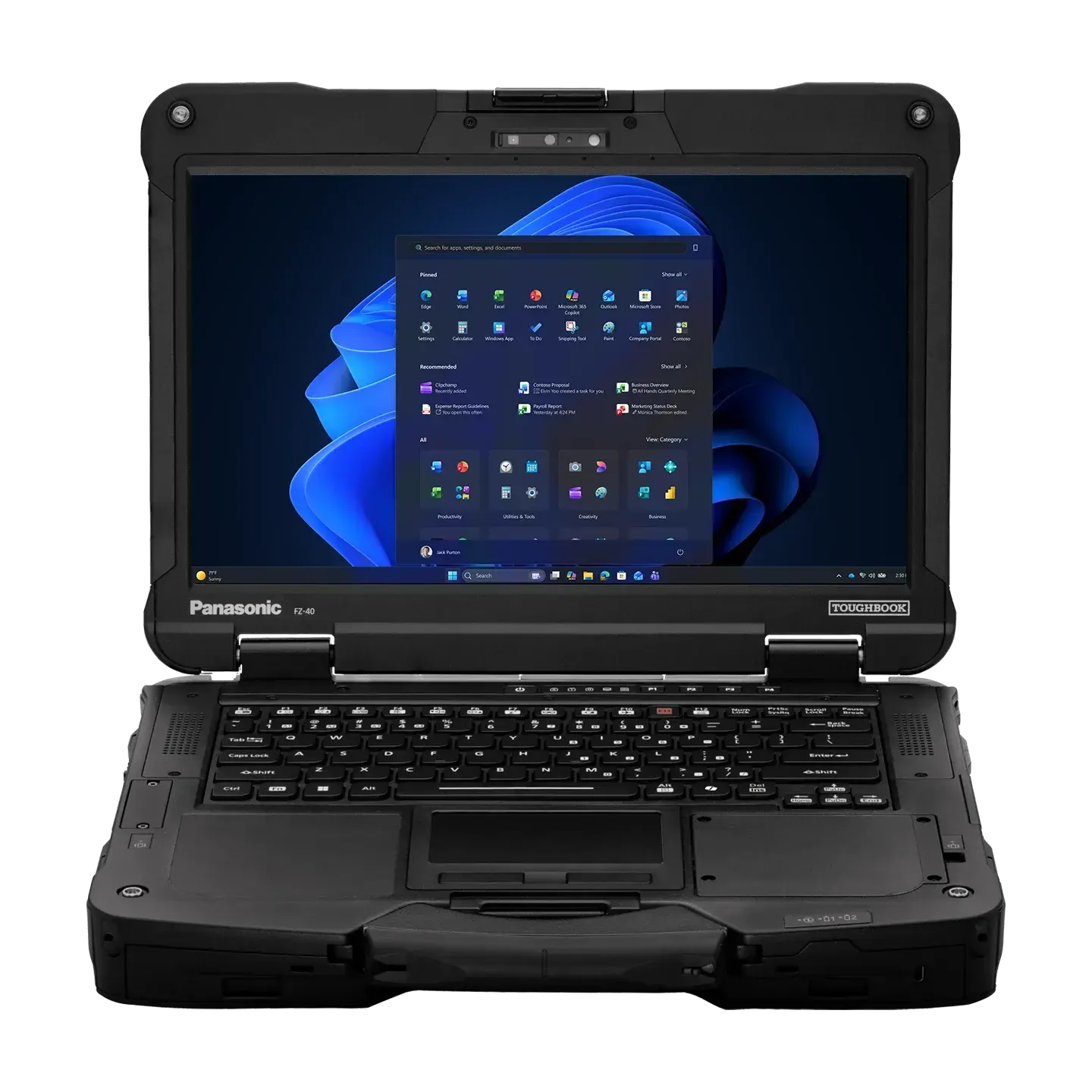

Rugged hardware doesn’t fail the way office equipment does. It fails at the points where the harsh environment gets in: docking and charging connectors worn out by thousands of vehicle-mount cycles, display assemblies hazed and delaminated by UV and vibration, power circuits stressed by cold starts and dirty supply, gaskets and ports compromised by dust and moisture. The device around the failure is usually still sound (that’s the whole premise of buying rugged), which makes repair, not replacement, the economically obvious move. The hard part is finding a depot that can do more than swap modules.
We run that depot from Markham, Ontario, serving fleets across Canada. For rugged laptops, tablets, and handhelds, that means fleet maintenance programs with advance exchange: a configured spare ships the moment a field unit goes down, and the failed unit cycles back through repair into the pool. For industrial equipment, it goes deeper: component-level repair of control boards, modules, and displays that are costly or impossible to replace whole, especially on long-service-life systems where the manufacturer’s replacement parts are expensive, back-ordered, or discontinued. One in-country loop, no cross-border shipping or brokerage between your fleet and its spares.
- Rugged laptops & tablets
- Industrial handhelds
- Control boards & modules
- Industrial displays & HMIs
- Specialized test & measurement equipment
Repair programs for rugged fleets and industrial electronics
Repair & Warranty
Depot repair for rugged fleets and component-level rework of control boards and modules, the failures module-swap depots can’t touch.
ExploreReverse Logistics
Screening, refurbishment, and redeployment of de-fleeted rugged units. Hardware built for a second tour rarely deserves the scrap bin.
ExploreLifecycle Services
Fleet maintenance with advance exchange pools, configuration and staging of spares, and end-of-life processing when units finally retire.
Explore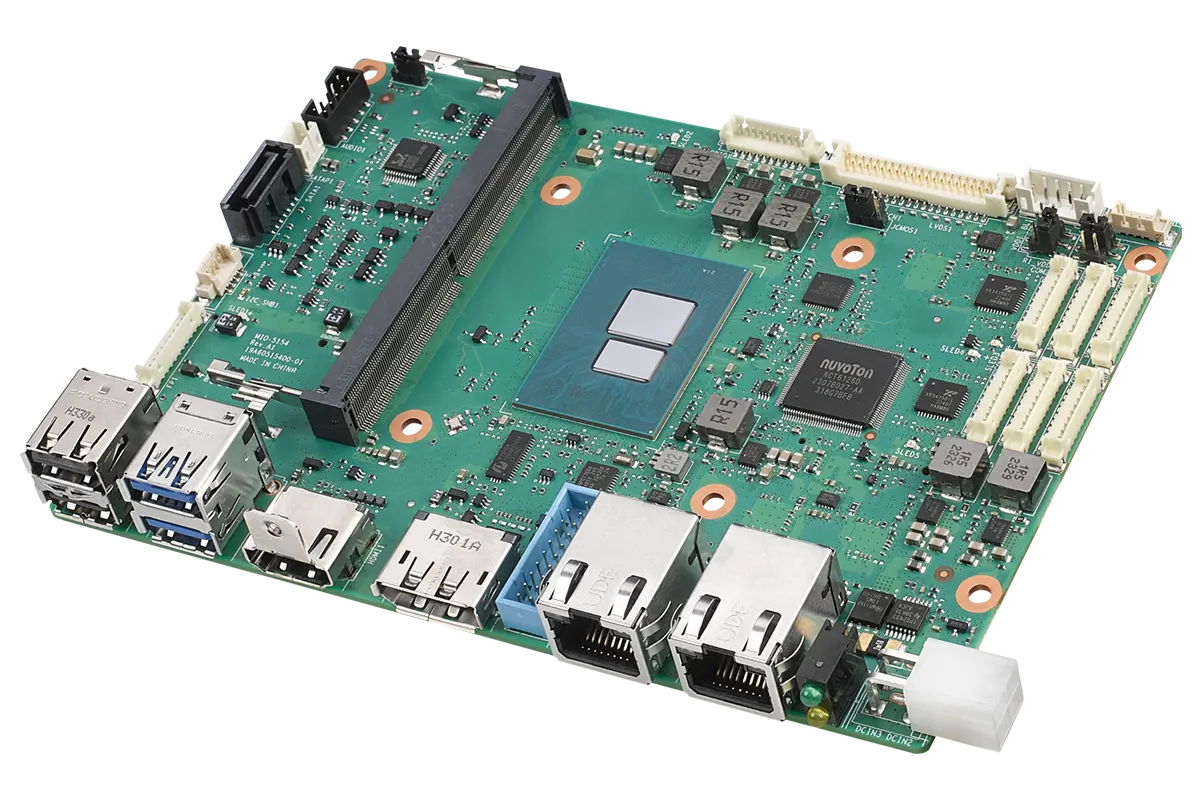
Representative device classes; product images courtesy of their manufacturers. Product images do not imply partnership or endorsement; trademarks belong to their respective owners.
When industrial equipment outlives its repair options
- A control board on a production line failed, the manufacturer only sells a whole replacement module at a painful price, or doesn’t sell it anymore at all.
- Field devices are going down faster than the repair loop returns them, and crews are working around dead units.
- Rugged units are failing at the usual points (connectors, displays, power), and the current depot just quotes module swaps that cost most of a new device.
- Your equipment is meant to serve for a decade, but the repair arrangement supporting it keeps getting shorter-lived than the hardware.
- Repairs are crossing the border both ways, adding shipping, brokerage, and weeks of downtime to every failure.

Rugged and industrial repair questions we get
Can you repair industrial control boards at the component level?
Yes. This is core to what we do. Instead of replacing a whole board or module, we repair the failed section: reworking power stages, replacing failed capacitors, MOSFETs, and connectors, reballing or replacing BGA chips, and repairing damaged pads and traces. Every repaired board is functionally tested before it returns. For long-service-life equipment where replacement boards are expensive, back-ordered, or discontinued, this is often the only practical way to keep the system running.
How does advance exchange work for a rugged device fleet?
We hold a pool of your units, configured to your build, at the depot. When a field device fails, a replacement ships immediately, configured and ready for the worker who needs it. The failed unit comes back, gets repaired, and re-enters the pool. Your crews never wait on a repair turnaround; the repair loop runs behind the exchange pool.
What are the most common failures you see on rugged devices?
The environment finds the weak points: docking and charging connectors worn by constant cycling, display and touchscreen assemblies degraded by vibration, impact, and UV, power circuits stressed by cold starts and unstable vehicle power, and seals and ports compromised by dust and moisture. Most of these are repairable well below the cost of module replacement. Connector rework and board-level power repair in particular are failures we fix that swap-only depots quote as major module replacements.
Our equipment is old and the manufacturer no longer supports it. Can you still help?
Often, yes. Component-level repair doesn’t depend on the manufacturer still selling replacement boards: we repair the board you have. Where parts are needed, we can also harvest serviceable components and modules from your own retired units to keep the active fleet running. Bring us the hardware and the failure history and we’ll scope what’s sustainable.
Why keep rugged fleet repair inside Canada?
Downtime economics. Rugged and industrial hardware supports field crews, warehouses, and production lines where a dead device has an hourly cost. Routing repairs through a US facility adds cross-border shipping, brokerage, and duty in both directions and stretches every repair by days or weeks. Our depot in Markham, Ontario serves all of Canada, so the entire loop (failure, exchange, repair, return to pool) stays in-country.