Depot repair in Canada: one depot for every unit that comes back.
Units ship in, get diagnosed, repaired, tested, and shipped back against your SLAs, with every unit tracked individually in the portal. It’s the in-country alternative to a US depot, and it pairs with coast-to-coast field services for the hardware that can’t ship.
Depot repair is the centralized model: instead of dispatching technicians to the field, failed units ship to one facility where diagnosis, repair, test, and return happen under one roof, one process, and one data view. For OEMs and distributors supporting an installed base across Canada, it’s how warranty and paid-repair programs run at scale: predictable cost per unit, consistent quality, and no field-visit logistics.
Microland runs that depot from Markham, Ontario, serving all of Canada, so your repair loop never crosses a border, clears customs, or pays duties. Programs cover both in-warranty flows, where repairs run against your entitlement rules, and out-of-warranty flows, where estimates go to you or your customer for approval before work begins. The hardware breadth spans IT equipment, point of sale, A/V, PC components, mobile devices, and consumer electronics, which means one partner instead of a specialist per category.
Running a program from a US depot today? See how outsourced depot repair services in Canada take Canadian volume off that loop, and what third-party depot repair looks like when we run it under your rules.
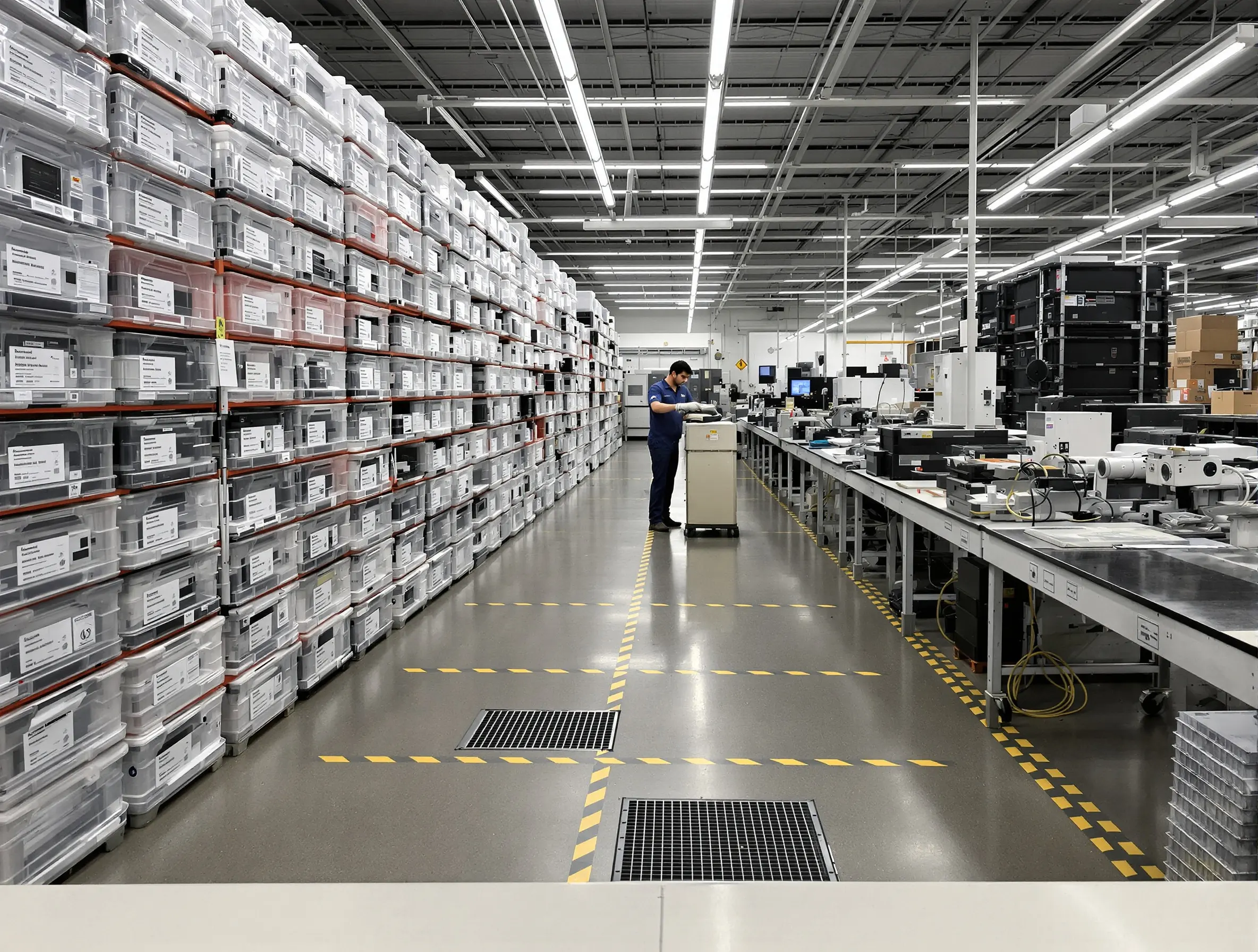
Depot repair capabilities
In-warranty repair programs
Repairs executed against your warranty entitlement rules: coverage checks, approved repair actions, and parts policies applied consistently on every unit.
Out-of-warranty & paid repair
Estimate-and-approve flows for billable work: diagnosis produces a quote, you or your customer approves or rejects it in the portal, and only approved repairs proceed.
Multi-category hardware coverage
IT (laptops, desktops, monitors, printers, peripherals), point of sale, consumer and pro A/V, PC components, mobile, and general consumer electronics. One depot for the whole catalogue.
SLA-managed turnaround
Turnaround commitments defined per program and tracked per unit, so you can see where every device sits against its clock instead of asking.
Per-unit portal tracking
Every serial number is visible in the customer portal from receipt to return: status, repair history, approvals, and outcomes. A full REST API is there when you’d rather pull it into your own systems.
Escalation to component-level repair
When a fault runs deeper than a part swap, units route to board-level and BGA rework in the same building, recovering units most depots would return as unrepairable.
How depot repair runs in Canada
- STEP 01
Receive & log
Units arrive by mail-in or bulk shipment, are checked against the RMA or manifest, and each serial number enters the system individually, visible in the portal from the first scan.
- STEP 02
Diagnose
Technicians isolate the fault and determine the repair path. In-warranty units proceed under your program rules; out-of-warranty units generate an estimate for approval.
- STEP 03
Repair
The approved repair is performed: part replacement, module swap, or component-level rework where warranted. Parts and actions are recorded per unit.
- STEP 04
Test & verify
Repaired units pass functional testing against agreed criteria before they can ship. Failures loop back to the bench; nothing ships on hope.
- STEP 05
Return
Units are packaged and shipped back to the end user, your stock, or the field, with the complete repair record retained per serial in the portal.
Depot repair questions OEMs ask
What is depot repair, and how is it different from onsite or field service?
Depot repair centralizes repair at one facility: failed units ship in, are repaired and tested, then ship back, rather than a technician travelling to each device. It trades same-day onsite response for lower cost per repair, deeper repair capability, and full per-unit tracking, which is why OEM and distributor warranty programs are typically depot-based, often with advance exchange layered on top when uptime matters. It isn’t an either-or choice: Microland also runs onsite field services across Canada for hardware that can’t ship, under the same contract, so a unit can start as a site visit and finish on a repair bench without changing vendors.
Do you handle both in-warranty and out-of-warranty repairs?
Yes, usually within the same program. In-warranty units are repaired under your entitlement and coverage rules; out-of-warranty units go through a diagnose-and-estimate flow where you or your customer approves the quote in the portal before work starts. Rejected estimates route to return or disposition. Your call.
What types of hardware can you repair at the depot?
IT equipment (laptops, desktops, monitors, printers, peripherals), point-of-sale hardware, consumer and professional A/V, PC components, mobile devices, and general consumer electronics. That breadth is deliberate: most partners consolidate several product categories into one Canadian depot rather than managing a specialist vendor for each.
How do we track units once they’re at your facility?
Every unit is tracked individually by serial number in the customer portal: current status, diagnosis, estimate and approval history, repair actions, test results, and shipment back. The same data is available through a full REST API, so you can feed it straight into your own ERP or service systems instead of logging into ours.
Why use a Canadian depot instead of shipping units to the US?
Units stay in-country, so the repair loop avoids cross-border freight, customs brokerage, duties, and the delays that come with all three. The depot is in Markham, Ontario and serves all of Canada, which also keeps devices and any data they carry under Canadian jurisdiction for the whole loop.
Do you offer outsourced or third-party depot repair for OEMs outside Canada?
Yes. That is the main way US and global OEMs, distributors, and warranty programs use the depot: their Canadian units ship to Markham, Ontario, are repaired under the program’s entitlement and estimate rules, and are reported per serial in the portal and API. For programs repairing Canadian units in a US depot today, the outsourced depot repair page sets out the transition plan, from audit to cutover.